
The gig economy is growing fast in Indonesia and changing the way you work every day. For managers, professionals, and leaders who are considering new career options, the impact does not stop at income.
This article covers what the gig economy is and its implications for the mental health of Indonesian professionals in a direct and practical way. You will find data, comparison tables, and real steps you can consider starting today.
Daftar Isi
- 1 Gig Economy vs Fixed Employment: Key Traits
- 2 What Is the Gig Economy and Its Implications for the Mental Health of Indonesian Professionals?
- 3 Why the Gig Economy Is Increasingly Popular Among Indonesian Professionals
- 4 The Dark Side Rarely Discussed: Mental Pressure on Gig Workers
- 5 Warning Signs That Are Often Ignored
- 6 Gig Economy vs Traditional Employment: Differences in Psychological Impact
- 7 Long-Term Impact If Left Unaddressed
- 8 Approaches You Can Consider to Protect Your Mental Health
- 9 The Role of Coaching in Supporting Gig Workers and Fixed Employees
- 10 First Steps You Can Take Right Now
- 11 Conclusion
- 12 FAQ
Gig Economy vs Fixed Employment: Key Traits
| Aspect | Gig Economy | Fixed Employment |
|---|---|---|
| Schedule flexibility | High, you set your own schedule | Limited to office working hours |
| Income certainty | Unstable, depends on projects | Relatively stable every month |
| Access to mental health support | Minimal, you manage it yourself | Available through HR or employee assistance programs |
| Sense of social connection at work | Low, often working alone | Higher due to daily team interaction |
| Burnout risk | Depends on the workload you take on | Depends on organizational culture and workload |
What Is the Gig Economy and Its Implications for the Mental Health of Indonesian Professionals?

The gig economy is a work model based on projects, short-term contracts, or digital platforms. You work without a fixed contract and without set working hours.
This model is attractive because of its flexibility. The main motivation for independent workers is the desire to decide for themselves when they work, and most workers in developed countries are now seriously considering freelancing as a primary career path, not just a side income.
But this freedom comes at a cost. The implications for the mental health of Indonesian professionals only become clear after a few months of working without a clear structure.
Why the Gig Economy Is Increasingly Popular Among Indonesian Professionals
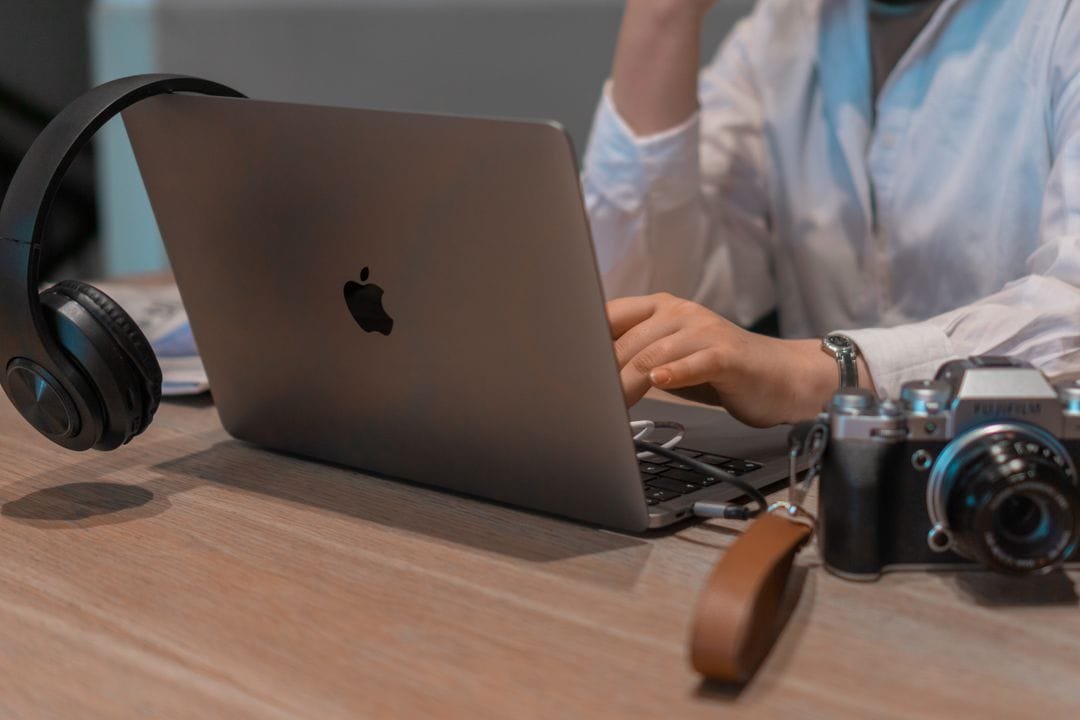
Many managers and leaders are starting to consider freelance work as an escape from corporate pressure. Schedule flexibility is the main draw.
Employment research shows that 58% of workers rate flexible scheduling as their top priority when choosing a job. However, switching career paths without proper mental preparation often triggers new anxiety instead.
Read also: How to Recognize Whether You Need Career Coaching Right Now
The Dark Side Rarely Discussed: Mental Pressure on Gig Workers
Gig economy flexibility does not automatically mean peace of mind. A recent longitudinal study found that high-dependence gig workers experience greater mental distress compared to full-time employees.
Loneliness is a major triggering factor. Other research shows that gig workers tend to report lower life satisfaction scores compared to employees with fixed job status.
This condition mirrors a pattern often seen in corporate managers trapped in repetitive thinking. You can learn more about this pattern through what analysis paralysis is and how managers can overcome it.
Warning Signs That Are Often Ignored
Most gig workers do not realize that mental pressure is building up. Here are the signs you most often overlook:
- You keep recalculating next month’s income without stopping.
- You find it hard to switch off work thoughts even outside project hours.
- You feel alone because there is no team to share the burden with.
- You start accepting every project offer out of fear of losing income.
This pattern aligns with the burnout signs discussed in how to recognize burnout signs before it’s too late.
Gig Economy vs Traditional Employment: Differences in Psychological Impact
| Psychological Impact | Gig Workers | Fixed Employees |
|---|---|---|
| Life satisfaction | Tends to be lower | Tends to be more stable |
| Sense of loneliness at work | Higher | Lower due to coworker interaction |
| Work-life balance | Only 35% feel a real balance | More structured through company policy |
| Anxiety over income stability | High, nearly half want more consistent pay | Relatively low |
Long-Term Impact If Left Unaddressed
If you do not manage this pressure, its impact accumulates gradually. Chronic anxiety, sleep disturbances, and declining professional confidence are the most common consequences.
The fundamental difference between ordinary fatigue and burnout is something you need to understand early on. The full explanation is available at burnout vs ordinary fatigue, how to tell the difference.
Do You Seem Fine on the Outside, but Quietly Exhausted?
Work pressure, overthinking, and burnout often creep in unnoticed. Many people still appear productive while their mind and emotions are quietly draining.
Don’t let stress pile up until it affects your health, relationships, and career. The sooner you recognize it, the easier it is to address.
This test helps you understand your stress and burnout level more honestly, objectively, and clearly.
Approaches You Can Consider to Protect Your Mental Health
You do not need to stop working flexibly to find peace of mind. What you need to consider is building your own mental structure, instead of waiting for that structure to come from a company.
The first step is separating your self-worth from the ups and downs of project outcomes. This mindset is discussed further in what imposter syndrome is and its solutions.
The second step is to stop the repetitive thought cycle about income and the future. You can learn how to do this through how to permanently break the overthinking cycle.
The Role of Coaching in Supporting Gig Workers and Fixed Employees
Coaching helps you reconsider how you manage work pressure in a structured way. Unlike simply venting your problems, 1-on-1 coaching gives you a concrete framework you can apply immediately.
You can understand the difference between these approaches through what 1-on-1 coaching is and how it differs from group coaching. A program such as Clarity System Upgrade from iPositiveMind combines Strategic Coaching and Tactical Mentoring in one 8-week system.
First Steps You Can Take Right Now
Before you decide to move fully into the gig economy, consider these three steps. First, run a realistic audit of your current financial and mental condition.
Second, measure your stress level objectively, not based on assumptions. Third, consider professional support before mental pressure builds up further.
Read also: How to Make Important Decisions Without Getting Stuck in Analysis Paralysis
You’ve already made the hard decision, now let me make it easy.
This payment is your Final Commitment to stop fighting alone. Right on the other side of this button, your Emergency Toolkit and Mentoring schedule are waiting.
The risk of this transaction is ZERO. With a 100% Money-Back Guarantee, the only risk you face is not acting, and letting overthinking win again tomorrow morning.
Secure your Founding Client slot now, and sleep soundly tonight.
Get the Identity Firewall Kit
Join the Clarity System Upgrade
Conclusion
The gig economy offers freedom, but its implications for the mental health of Indonesian professionals are real and worth considering from the start. Flexibility without a strong mental structure can accelerate exhaustion instead of reducing it.
You do not have to face this pressure alone. Mas Moechammad Noer Iman, ACC, known as Coach Iman, built iPositiveMind to help professionals like you reconsider how you work without sacrificing peace of mind.
Follow further discussions on iPositiveMind’s Instagram or contact Coach Iman directly to discuss your career situation.
FAQ
1. What is the gig economy in simple terms?
The gig economy is a work model based on projects or short-term contracts without a fixed employment relationship.
2. Is the gig economy always bad for mental health?
Not always. The impact depends on your level of financial dependence and the social support you have while doing it.
3. What is an early sign of mental pressure from gig work?
You start overthinking about income, find it hard to stop thinking about work, and feel isolated from your social environment.
4. How do you deal with financial anxiety while doing gig work?
You need to build a financial safety net and consider professional support to manage your mindset around uncertainty.
5. Does coaching help both gig workers and fixed employees?
Yes. Coaching helps you separate your self-identity from work outcomes, whether you work freelance or as a fixed employee.