
You get home from the office, but your mind is still stuck in this afternoon’s meeting. How to block office stress from following you home is a search that many managers and professionals run when they feel mentally exhausted, not physically. This article walks through concrete steps to build a clear line between your work hours and your personal time.
This guide on how to block office stress is built from real coaching sessions, not generic theory you forget the next day. You will get steps you can practice today.
| Office Stress Symptom | Impact If Carried Home |
|---|---|
| Overthinking a work decision | Trouble falling into deep sleep at night |
| Emotions triggered by a boss’s criticism | Snapping easily at your spouse or kids |
| Head full of worst-case scenarios | Losing focus during family quality time |
| Guilt after saying no to a task | Mental fatigue that keeps piling up |
Daftar Isi
- 1 1. Why Blocking Office Stress Matters Before It Spreads Home
- 2 2. Mental Preparation Before You Start Building Boundaries
- 3 3. Step 1: Awareness and Self-Diagnosis as a Manager
- 4 4. Step 2: Building the Right Boundary Foundation
- 5 5. Step 3: Executing a Concrete Work Shutdown Ritual
- 6 6. Step 4: Staying Consistent So Office Stress Does Not Come Back
- 7 7. Common Mistakes That Keep Office Stress Coming Home
- 8 8. When You Need Professional Coaching for Office Stress
- 9 Conclusion
- 10 Frequently Asked Questions
1. Why Blocking Office Stress Matters Before It Spreads Home
Blocking office stress matters because its effects do not stop when you close your laptop. 77% of workers reported a work-related stress symptom in the past month, and that number tends to run higher at the manager level.
Most people fail at how to block office stress not because they do not know the method. They fail because they never build a consistent system for closing out the workday.
Read also: How to Recognize Burnout Signs Before It’s Too Late
2. Mental Preparation Before You Start Building Boundaries
Before you practice how to block office stress, you need to accept one thing. Stress is not a sign of weakness, it is a signal that your work system needs a new boundary.
Research published by a US national health institute shows psychological detachment from work lowers emotional exhaustion and improves focus the next day. Switching off work thoughts is not a luxury, it is a performance requirement.
Do You Feel Fine on the Outside, but Quietly Exhausted?
Work pressure, overthinking, and burnout often creep in unnoticed. Many people still look productive while their mind and emotions are quietly running out.
Do not let stress build up until it affects your health, relationships, and career. The sooner you recognize it, the easier it is to handle.
This test helps you understand your stress and burnout level more honestly, objectively, and clearly.
3. Step 1: Awareness and Self-Diagnosis as a Manager
The first step in how to block office stress is recognizing your specific triggers. Note the moments when work thoughts start taking over your personal time, for example right after reading a work message at night.
This self-diagnosis helps you see the pattern instead of just feeling tired without knowing why. Keep a simple log for three days to map out your main triggers.
Read also: How to Break the Overthinking Cycle for Good and 10 Signs You Are a People Pleaser at Work
4. Step 2: Building the Right Boundary Foundation

The right foundation means you set a time, a space, and a physical cue that marks work as done. Research published in a work psychology journal indexed by NIH notes psychological detachment from work correlates with higher relationship satisfaction at home.
The Clarity System Upgrade program with Coach Iman helps you design this boundary foundation personally, not a generic template built for everyone.
5. Step 3: Executing a Concrete Work Shutdown Ritual
Execution is the most tangible part of how to block office stress. You need a short ritual that signals to your brain that the workday has ended.
| Step | Concrete Action |
|---|---|
| 1 | Close every work tab and app on your screen |
| 2 | Write down one unfinished task for tomorrow |
| 3 | Say a closing line out loud, such as “work is done for today” |
| 4 | Change your clothes or wash your face as a physical cue |
| 5 | Do a non-work activity for ten minutes |
This ritual needs consistency, not perfection. The more often you repeat the same cue, the faster your brain learns to tell work time apart from personal time.
6. Step 4: Staying Consistent So Office Stress Does Not Come Back
Consistency is the hardest part of how to block office stress. The first week usually goes fine, but deadline pressure often pulls you back into opening your laptop at home.
Set a clear agreement with your team about response hours for work messages. This boundary protects your rest time without making you look careless.
You have already made the hard decision, now let me make it easy.
This payment is the Final Commitment to stop fighting this alone. On the other side of this button, your Emergency Toolkit and Mentoring schedule are already waiting.
The risk on this transaction is ZERO. With a 100% Money-Back Guarantee, the only risk you face is not acting and letting overthinking win again tomorrow morning.
Secure your Founding Client slot now, and sleep soundly tonight.
7. Common Mistakes That Keep Office Stress Coming Home
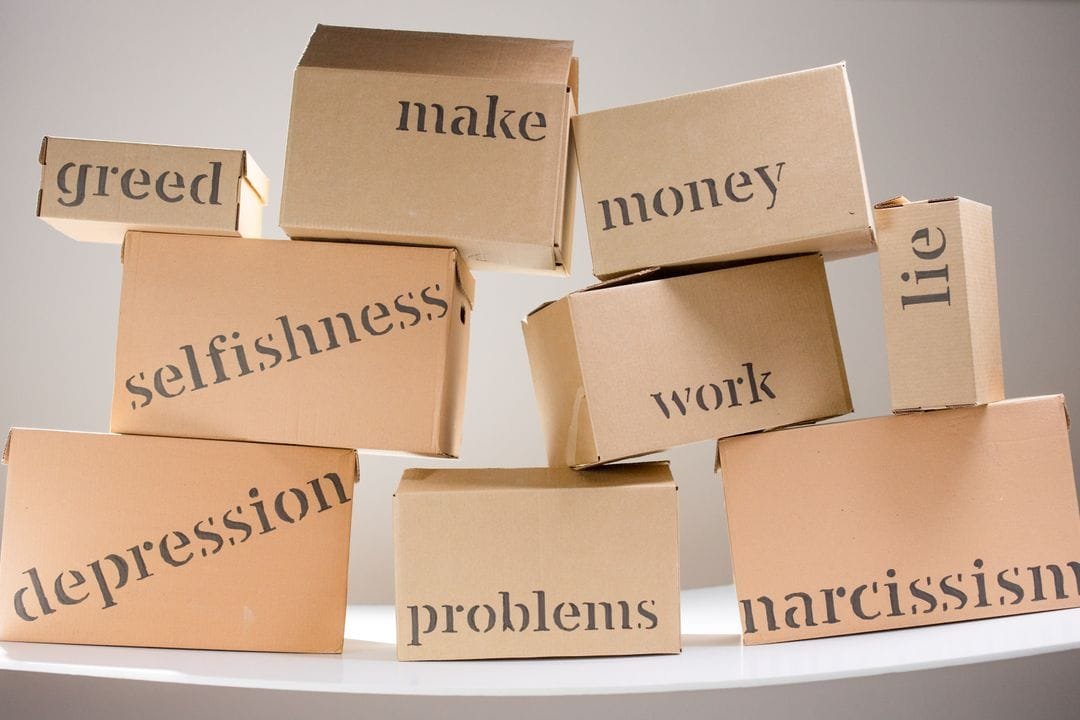
The most common mistake is trying to remove office stress without changing your communication habits with your boss or team. You also often skip physical boundaries, such as keeping your work device in a separate room.
Another mistake is assuming one ritual fits everyone. Every role and every level of work pressure needs a different adjustment.
Read also: How to Build Anti-Burnout Habits in 21 Days and How to Manage Emotions at Work
8. When You Need Professional Coaching for Office Stress
You need professional guidance when office stress is already affecting your sleep quality, your family relationships, or your actual work performance. Coaching helps you see patterns that are hard to spot on your own because you are inside the problem.
The Clarity System Upgrade program combines Strategic Coaching and Tactical Mentoring over eight weeks to build this system together with you, not just hand you theory.
Take Your First Step to Stop Bringing Work Home
This is what sets the iPositiveMind program apart from ordinary training. Coach Iman does not just hand you a map, he sits beside you and makes sure you actually get there.
Join the Clarity System Upgrade
Conclusion
Mastering how to block office stress from following you home is not an instant process, but you can start today. You do not have to go through this alone.
Mas Moechammad Noer Iman, ACC ICF, known as Coach Iman, helps managers and professionals build this mental clarity system through iPositiveMind. Register for the Clarity System Upgrade program with Coach Iman at iPositiveMind.com, or say hello directly on Instagram @ipositive.mind.
Frequently Asked Questions
What is the main cause of office stress following you home?
The main cause is the absence of a physical or mental cue that marks the workday as over. Your brain stays in work mode because it is never given a clear stop signal.
How long does it take to build an effective work boundary?
Most people start noticing a change within one to two weeks if the ritual is done consistently. Stable results usually show up after about twenty-one days of practice.
Is a work shutdown ritual actually backed by science?
Yes, work psychology research shows psychological detachment from work lowers emotional exhaustion. This effect is also linked to better sleep quality and stronger family relationships.
What is the difference between ordinary office stress and burnout?
Ordinary office stress usually fades after a short rest or a weekend off. Burnout is chronic, keeps you exhausted even after resting, and needs more structured intervention.
When should I consider professional coaching for work stress?
Consider coaching once stress has been disrupting your sleep, relationships, or work decisions for a long stretch of time. Coaching helps you see patterns that are hard to notice alone and build a system that fits your situation.