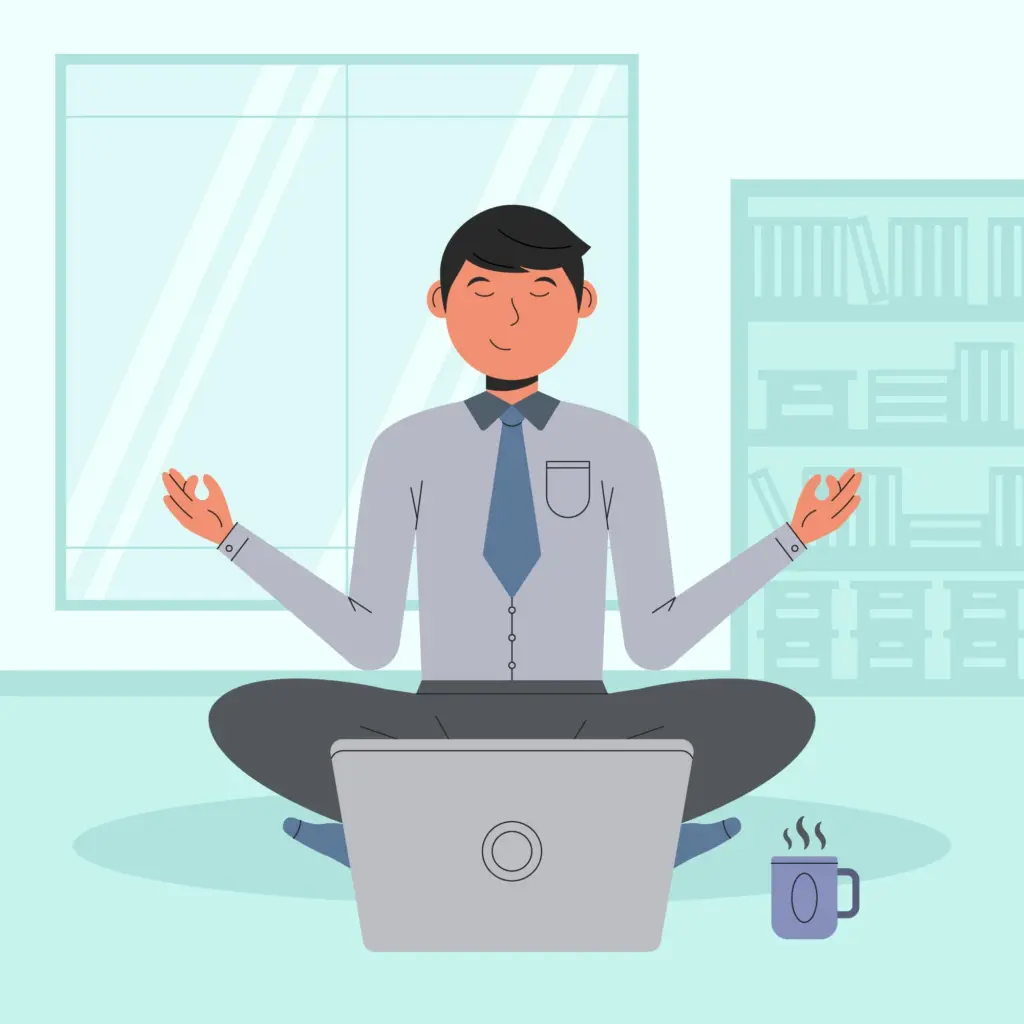
Stress, anxiety, and racing thoughts are part of modern life, especially for professionals who constantly deal with deadlines, back-to-back meetings, and highly dynamic work environments. Amid this pressure, the ability to quickly calm the mind is no longer just an option, but a necessity to remain productive and emotionally stable.
One of the most effective, simple, and scientifically proven ways to relieve mental tension in a short time is breathing and relaxation techniques. Although they may seem trivial, proper breathing techniques can activate the parasympathetic nervous system, which helps reduce stress, stabilize heart rate, and create a sense of calm. In other words, you can “reset” your mind in just two minutes.
This article discusses various practical breathing and relaxation techniques that you can practice anytime—at the office, at home, in your car, or even before an important meeting. For more comprehensive training on stress management and self-development, you can visit i Positive Mind through the following link: https://ipositivemind.com/.
Daftar Isi
- 0.1 Why Are Breathing Techniques So Important for Managing Stress?
- 0.2 1. The 4-2-6 Breathing Technique to Relax in Seconds
- 0.3 2. Box Breathing for Emotional Stability
- 0.4 3. Diaphragmatic Breathing to Reduce Physical Tension
- 0.5 4. “Selective Relaxation” Technique to Release Tension Quickly
- 0.6 Why Are Two Minutes Enough?
- 0.7 Positive Impact on Professional Life
- 0.8 Tips to Make Breathing and Relaxation a Habit
- 0.9 Integrating Breathing Techniques with Daily Mindfulness
- 0.10 Why Do Many Professionals Need This Technique?
- 1 Conclusion
Why Are Breathing Techniques So Important for Managing Stress?
When stress arises, many people unconsciously hold their breath or breathe rapidly. This pattern affects both the brain and body, triggering a “fight or flight” response that makes you more tense, less focused, and more irritable.
Conscious breathing techniques work by:
- Reducing amygdala activity, the brain’s fear center.
- Stabilizing heart rate.
- Increasing oxygen supply to the brain.
- Activating the parasympathetic nervous system (rest and digest).
- Reducing muscle tension and anxiety.
In just two minutes, the body can shift from a tense state to a relaxed mode, allowing the mind to function more clearly and rationally.
1. The 4-2-6 Breathing Technique to Relax in Seconds
This technique is highly effective for quickly calming the mind, especially during high-pressure situations.
How to do it:
- Inhale for 4 seconds.
- Hold for 2 seconds.
- Exhale slowly for 6 seconds.
- Repeat for 2 minutes.
The extended exhale is key, as it signals the body that it is safe, activating the parasympathetic nervous system.
When to use:
Before presentations, when feeling nervous, or when your mind feels overwhelmed and unfocused.
2. Box Breathing for Emotional Stability
This technique is widely used by athletes, healthcare professionals, and even special forces due to its ability to quickly restore calmness.
How to do it:
- Inhale for 4 seconds
- Hold for 4 seconds
- Exhale for 4 seconds
- Hold for 4 seconds
- Repeat several times
Box breathing helps reduce emotional reactivity, lower panic levels, and improve mental clarity.
When to use:
When your mind feels overloaded, when you start to panic, or when you need to make quick decisions under pressure.
3. Diaphragmatic Breathing to Reduce Physical Tension
Many people breathe shallowly through the chest, which causes fatigue and increases restlessness. Diaphragmatic or belly breathing helps the body enter a relaxed state more quickly.
How to do it:
- Place one hand on your chest and one on your abdomen.
- Inhale deeply through your nose, feeling your abdomen expand.
- Exhale slowly through your mouth.
- Focus on making the abdominal movement more dominant.
Practice for two minutes to feel a noticeable effect.
When to use:
When your body feels tense, shoulders are raised, neck is stiff, or when experiencing emotional fatigue.
4. “Selective Relaxation” Technique to Release Tension Quickly
Sometimes the mind feels uneasy because the body is tense. In such cases, quick relaxation techniques can help.
How to do it:
- Sit upright or stand comfortably.
- Close your eyes if possible.
- Take a slow breath and focus on a tense area of your body (neck, shoulders, or jaw).
- As you exhale, imagine releasing the tension from that area.
This technique is highly effective even in less than two minutes.
When to use:
At the office, during travel, or before entering stressful situations like negotiations.
Why Are Two Minutes Enough?
Many people assume that meditation or relaxation must take a long time. However, research shows that physiological changes can occur within just a few cycles of deep, controlled breathing. Two minutes of consistent breathing techniques can:
- Reduce stress hormones
- Improve focus
- Stabilize emotions
- Lower localized blood pressure
- Enhance clarity of thinking
In other words, two minutes can serve as a small “reset” that improves the rest of your day.
Positive Impact on Professional Life
Breathing techniques not only benefit mental health but also directly improve work performance. Professionals who regularly practice breathing and relaxation techniques gain the following advantages:
1. Clearer Decision-Making
A calm mind processes information better and leads to more accurate decisions.
2. More Stable Emotions
You become less reactive, less easily offended, and better able to handle difficult interactions.
3. Higher Focus
Your attention becomes more stable, allowing you to complete complex tasks without distraction.
4. Stronger Stress Resilience
You become more adaptive and less overwhelmed by change.
5. More Professional Communication
With a stable mind, your words become more thoughtful, your tone more controlled, and your message clearer.
Tips to Make Breathing and Relaxation a Habit
The key to success with breathing techniques is consistency. To make this practice part of your life, apply the following strategies:
1. Take Micro-Breaks Between Activities
For example, before checking emails, before meetings, or after completing major tasks.
2. Use Visual Reminders
Place small notes saying “take a breath” on your desk or monitor.
3. Start with Short Durations
You don’t need five minutes right away. Two minutes is enough when done mindfully.
4. Practice in Various Situations
At home, at the office, or in the car. This helps your body adapt to calming itself anytime.
5. Combine with Brief Reflection
After two minutes of breathing, ask yourself:
“What is the one thing that truly needs my attention right now?”
This simple question helps restore focus.
Integrating Breathing Techniques with Daily Mindfulness
Breathing techniques are most effective when combined with simple mindfulness. You don’t need long meditation sessions. Just:
- Observe your breath in and out without changing it.
- Feel the air touching your nose, ears, or chest.
- Acknowledge whatever you feel without judgment.
- Gently bring your attention back when your mind wanders.
Mindfulness transforms breathing exercises into not just relaxation techniques, but also a way to live more consciously and fully present.
Why Do Many Professionals Need This Technique?
Modern work environments often push people to keep working without allowing time for mental recovery. As a result:
- The body becomes easily fatigued
- Concentration declines
- Emotions become unstable
- Work quality decreases
- Sleep becomes disturbed
Conscious breathing helps break this cycle. By practicing it several times a day, you can maintain energy and mental clarity consistently.
If you want to learn more about stress management and personal development, visit https://ipositivemind.com/ for relevant content and services.
Conclusion
Breathing and relaxation techniques are simple yet highly effective tools to calm the mind in a short time. In just two minutes, you can reduce stress, improve focus, and regain control over yourself. Techniques such as 4-2-6 breathing, box breathing, diaphragmatic breathing, and selective relaxation can be applied anytime as needed.
In today’s fast-paced work environment, the ability to calm the mind is not just an additional skill, but a foundation for long-term mental well-being. Start with simple practice and experience how two minutes each day can transform the way you work, think, and respond to life.
If you want to deepen your self-development journey and mental balance, visit https://ipositivemind.com/ for valuable insights and guidance.